

Social
Social Sustainability Management Goals
The Company is firmly committed to conducting business with respect for human rights, diversity, and inclusion across all operations and its supply chain, underpinned by a formal Human Rights Policy and rigorous due diligence extending to business partners and suppliers. We are dedicated to developing employee potential, ensuring safe and equitable working conditions, delivering quality and transparent services to customers, and supporting surrounding communities through sustainable livelihood initiatives. Accessible grievance mechanisms are maintained for all stakeholder groups, ensuring accountability at every level. By integrating internationally recognised sustainability frameworks into our strategy, we pledge to create lasting social value for all stakeholders throughout the value chain.

Fair Labor Treatment


Challenges and Opportunities
Employees are the driving force of the organisation. The Company is committed to treating all employees fairly and with respect for human rights, underpinned by a formal Human Rights Policy and a non-discrimination policy covering gender, age, nationality, physical ability, religion, and all other characteristics. The Company strictly prohibits forced labour and child labour in all forms. Employees are hired based on qualifications and experience, with fair contracts, competitive compensation aligned with living wage principles, transparent performance evaluations, and continuous capability development. Employees are entitled to freedom of association, and a formally elected Welfare Committee represents employee interests, supported by an annual engagement survey. A clear whistleblowing and grievance mechanism is in place, ensuring employees can raise concerns safely and confidentially. The Company maintains a safe working environment under its Occupational Health, Safety and Environment Policy, overseen by a dedicated Safety Committee responsible for accident prevention planning and safety training across all employee groups, with a target of zero accidents.


- Set a target of zero human rights violations
- Set a target of zero labor law violations (including cases of warnings from government agencies or external organizations such as NGOs, fines, or legal disputes related to labor law violations)

- Set a target of zero human rights violations
- Set a target of zero labor law violations (including cases of warnings from government agencies or external organizations such as NGOs, fines, or legal disputes related to labor law violations)
- Set a target of zero employee accidents
2025 Performance Results

No complaints

100 %

No work-related illnesses among employees and no fatality rates, with LTIFR of 0.24

achievements result from the cooperation of all employees and the Company's policies that focus on creating a good work environment
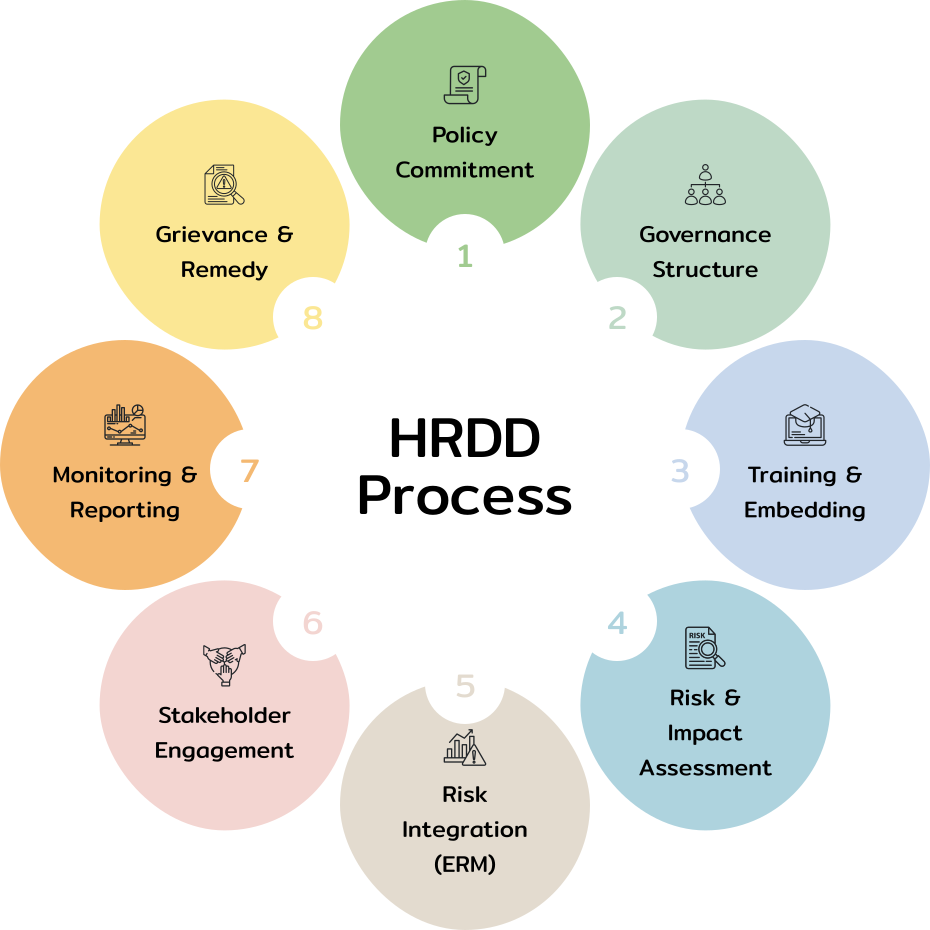
The company recognizes the risks and opportunities related to human rights that are connected to its business operations in every dimension, and is committed to managing these matters in accordance with international standards. Progress has been made across eight areas as follows.
- Policy commitment The company reviews and updates its human rights policy annually to ensure alignment with international standards, and communicates it clearly to all stakeholder groups — including employees, business partners, and suppliers — through its website and various communication channels.
- Governance structure The company has established a three-level human rights accountability structure. At the board level, the Chairman signs off on the human rights policy and delegates oversight responsibilities to the Corporate Governance and Sustainability Committee, which reports directly to the board. At the executive level, the CEO drives policy implementation, supported by a subcommittee comprising HR, risk management, and strategy functions, which works to integrate human rights considerations into the Enterprise Risk Management (ERM) system. At the operational level, a dedicated human rights working group handles day-to-day activities, including interdepartmental coordination, report preparation, and management of the grievance mechanism.
- Training and organizational embedding The company provides human rights training to all employees through both new-hire orientation and ongoing programmes. By the end of 2025, a total of 1,033 employees had completed the training, which covers non-discrimination principles and the equal treatment of all customers.
- Human rights risk and impact assessment The company conducts regular human rights risk assessments covering both existing operations and new activities, including mergers and acquisitions, joint ventures, and any process changes that may affect human rights. All Tier 1 suppliers and every new business partner are also assessed to ensure that the company's supply chain meets appropriate human rights standards.
- Integration and risk management Material human rights risks are integrated into the company's Enterprise Risk Management (ERM) system. Root-cause analysis is conducted and appropriate corrective measures are defined, supported by both internal and external controls to ensure that impacts are maintained at acceptable levels.
- Stakeholder engagement The company holds regular workplace welfare committee meetings to gather employee input and commits to giving all stakeholder groups a meaningful role in identifying human rights issues. Plans are in place to have stakeholders participate in impact assessments, with the results to be publicly disclosed.
- Monitoring and reporting The company maintains a systematic process for monitoring human rights risks, with performance reported to the relevant sub-committees at least twice per year. Any identified violation is escalated to the Board of Directors through the appropriate chain, and high-risk suppliers are monitored to ensure ongoing supply chain compliance with established standards.
- Grievance and remedy mechanism The company provides a transparent, easily accessible, and comprehensive complaints system across multiple channels, supported by a fair process for investigation, resolution, and follow-up. Remediation principles are formally defined to ensure that all affected parties receive appropriate and just remedy.
Channels for Reporting Human Rights Violations
Report via email at
In the event that the complainant has a grievance against the Chief Executive Officer, the complaint should be submitted directly to the Audit Committee Chairman via email at
Product and Customer Responsibility

Challenges and Opportunities
Delivering safe, high-quality products and maintaining the highest standards of customer responsibility presents an ongoing challenge for the Company, as increasing regulatory requirements around product safety, labelling, and consumer protection demand rigorous quality assurance and compliance processes across a broad and diverse product range. Growing consumer awareness of health, safety, and ethical sourcing further raises expectations for transparency and accountability throughout the product lifecycle. The Company is therefore committed to ensuring that all products meet applicable safety and quality standards, providing customers with accurate and transparent product information, and maintaining robust mechanisms for customer feedback and complaint resolution — in alignment with recognised consumer rights principles and responsible business conduct frameworks. These efforts not only mitigate regulatory and reputational risk but also strengthen customer loyalty, drive long-term commercial performance, and reinforce the Company's standing as a trusted and responsible retailer among investors and stakeholders.

- Enhance the rigor of supplier inspections by hiring third-party auditors to monitor compliance with the Supplier Code of Conduct
- Conduct random inspections of Tier 1 suppliers that manufacture products affecting consumer health and safety, at least 1 supplier per year
- Develop a more efficient consumer complaint management and remediation system
- Establish a sustainable supply chain management system covering suppliers at all levels
- Develop product traceability systems to encompass all product categories
- Create international standards for consumer responsibility operations
Supplier Product Quality Inspection Project

The Company conducts systematic product quality inspections to ensure that products meet the established quality and safety standards. This includes random product inspection processes before delivery acceptance, verification of the accuracy of label information and various warnings, as well as establishing clear quality standards covering product characteristics, internal standards, and relevant industry standards. These measures are implemented to prevent risks from defective products and build confidence among consumers and business partners.
For the year 2024, the Company found no incidents of non-compliance with regulations regarding health and safety impacts of products and services, which reflects the effectiveness of the Company's quality control systems and risk management.
| Data | Unit | 2023 | 2024 | 2025 |
|---|---|---|---|---|
| Number of customer data breach cases | cases | 0 | 0 | 0 |
| Number of incidents or complaints related to consumer rights violations (incorrect price labels and incomplete information on packaging) | cases | n/a | 21 | 10 |
| Incidents of non-compliance with regulations regarding health and safety impacts of products and services | cases | 0 | 0 | 0 |
2025 Performance Results

Customer data breach cases

Incidents of non-compliance with regulations regarding health and safety impacts of products and services
Based on the operational guidelines, the relevant departments have continuously collected operational performance data and found that throughout 2025, there were no cases of customer complaints regarding personal data breaches caused by the use of the Company's membership system. Additionally, there were no cases of customer complaints or concerns regarding safety or health impacts from the use of products distributed by the Company. However, the Company received reports regarding incidents or complaints related to consumer rights violations (incorrect price labels and incomplete information on packaging) totaling 10 cases. The Company has conducted fact-finding investigations and provided remediation through refunds to consumers in accordance with product responsibility guidelines, and has implemented preventive and corrective measures to reduce potential errors that may occur in the future.
Community and Social Development

Challenges and Opportunities
The Company recognises that communities are a vital stakeholder group — serving as a source of human capital, customer base, and social licence to operate. The Company maintains a formal process for assessing both positive and negative impacts on surrounding communities, conducts regular community needs assessments, and engages stakeholders through structured participation processes to ensure their voices are heard. A dedicated grievance mechanism is available for community members to raise concerns relating to the Company's operations, ensuring transparency and accountability. The Company commits to systematic community investment, focusing on sustainable livelihood creation, education, and quality of life development. To further embed social responsibility into its organisational culture, the Company has established a formal mechanism allowing employees to participate in community and social activities during working hours, reflecting the belief that employee volunteerism is a meaningful driver of positive community impact. Operational risks are managed through careful site selection, defined transportation schedules, and efficient management systems, with community programme outcomes monitored through measurable indicators to ensure continuous improvement and long-term shared value creation.

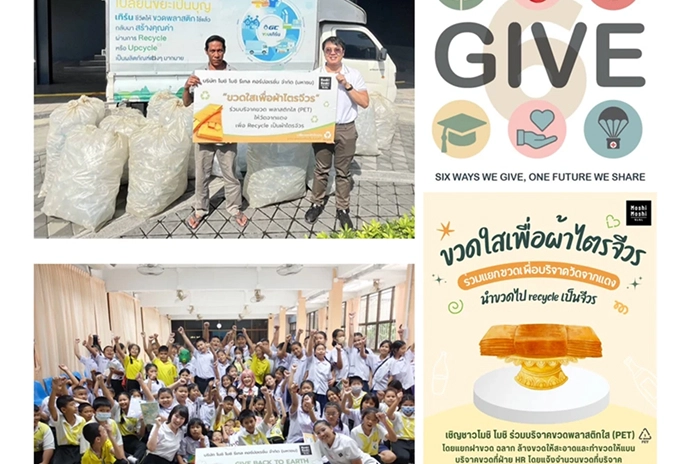
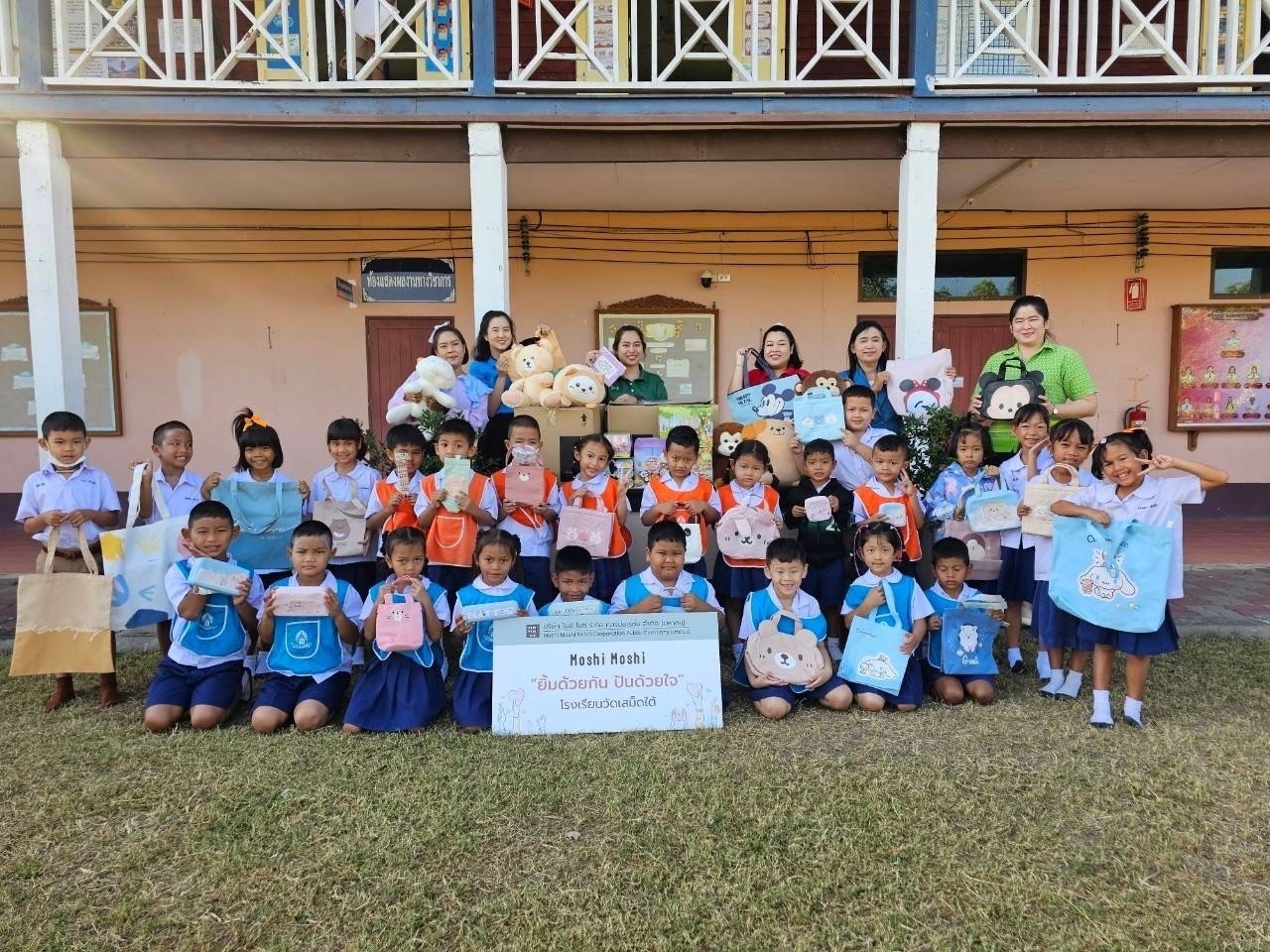
Community Development Projects Under the "GIVE" Concept

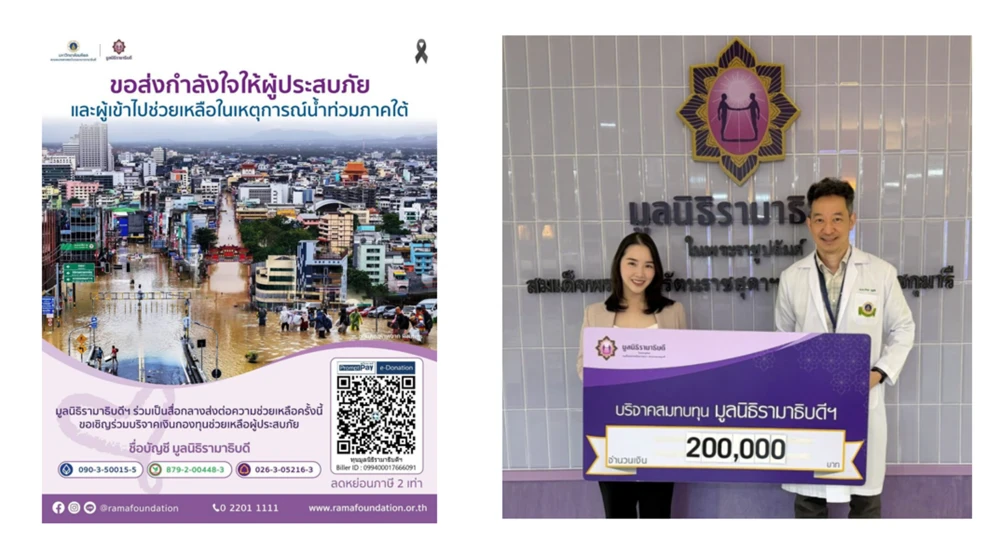
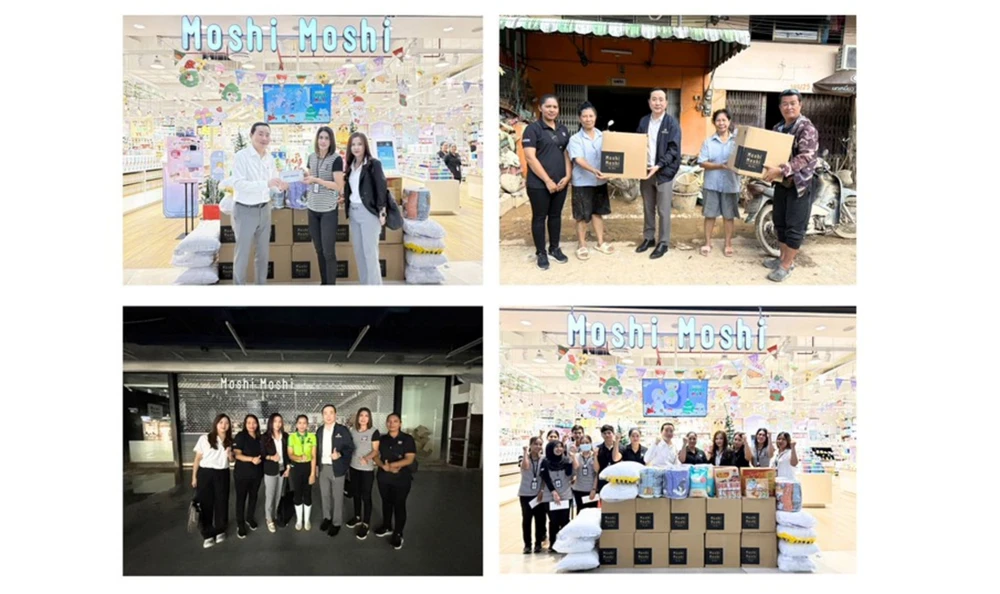
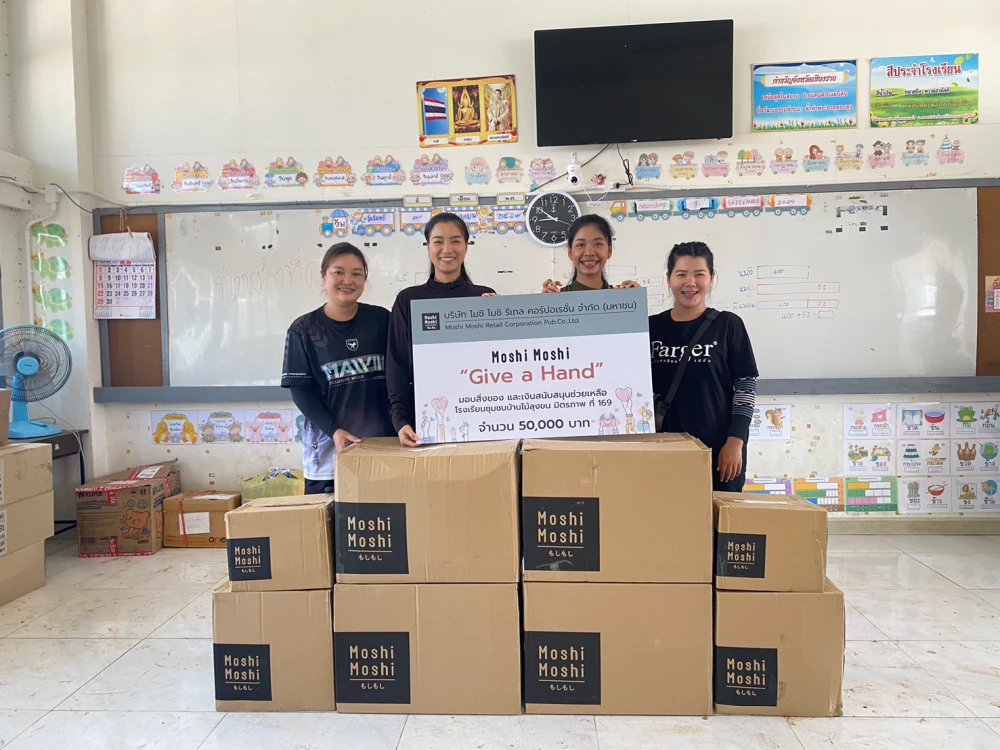
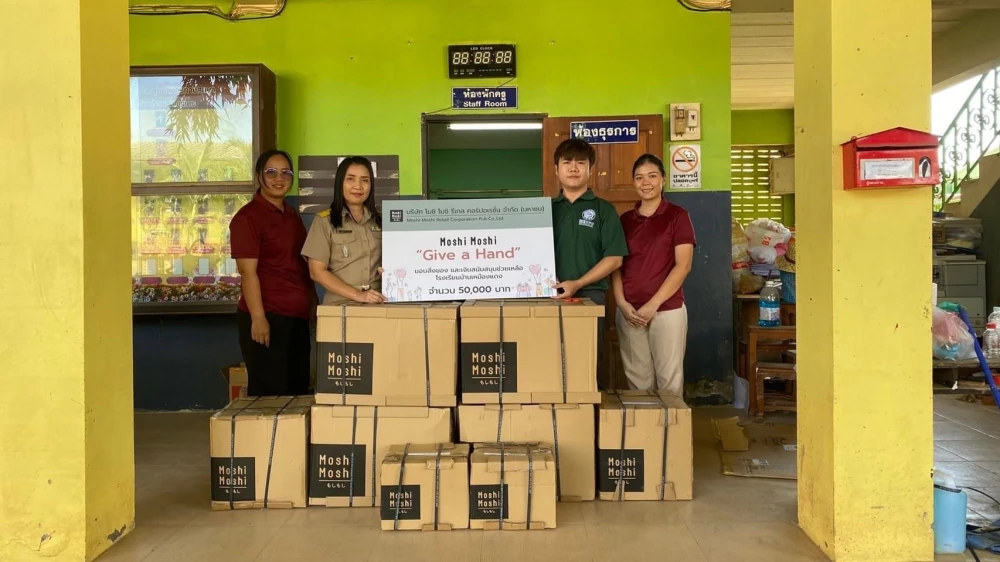
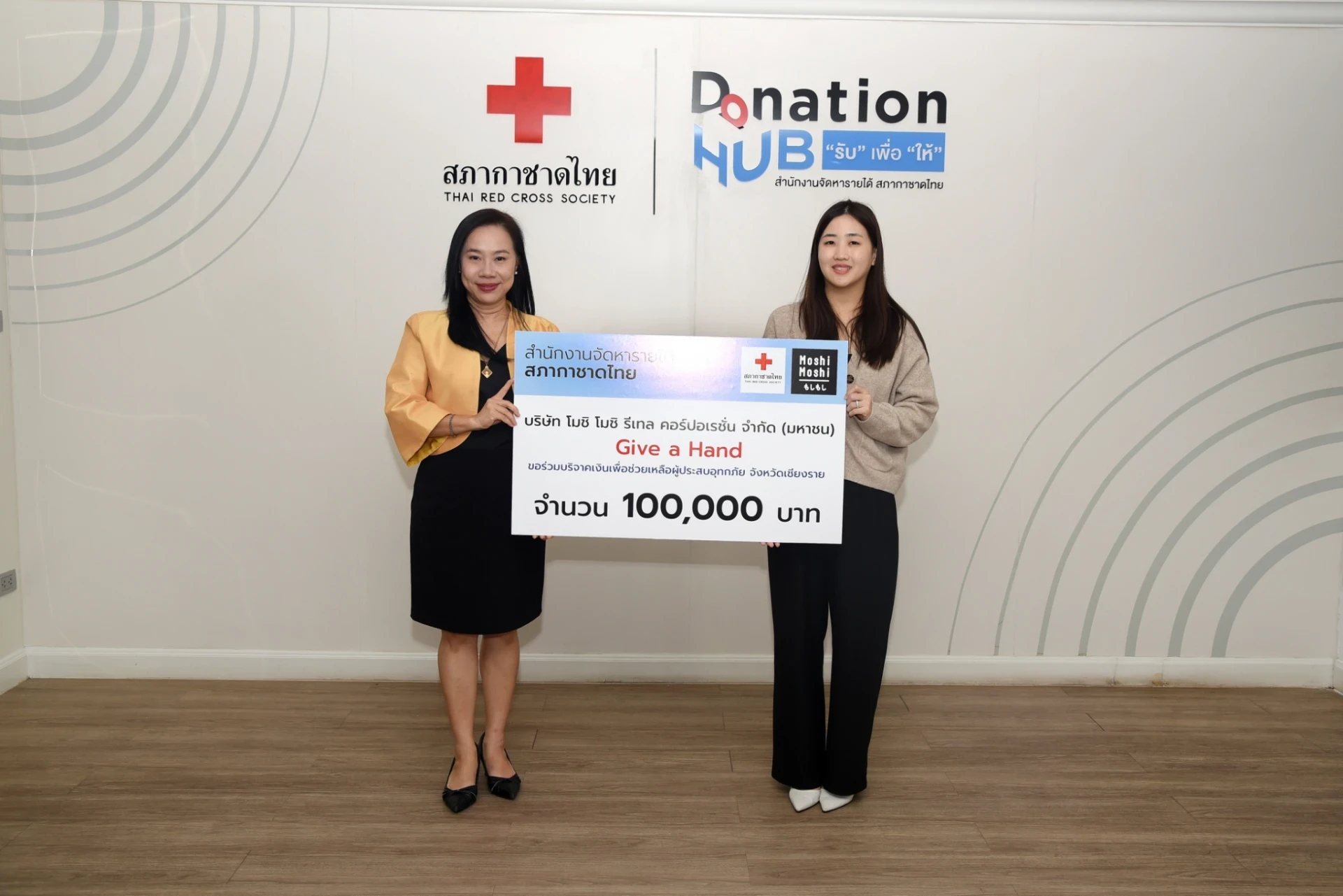
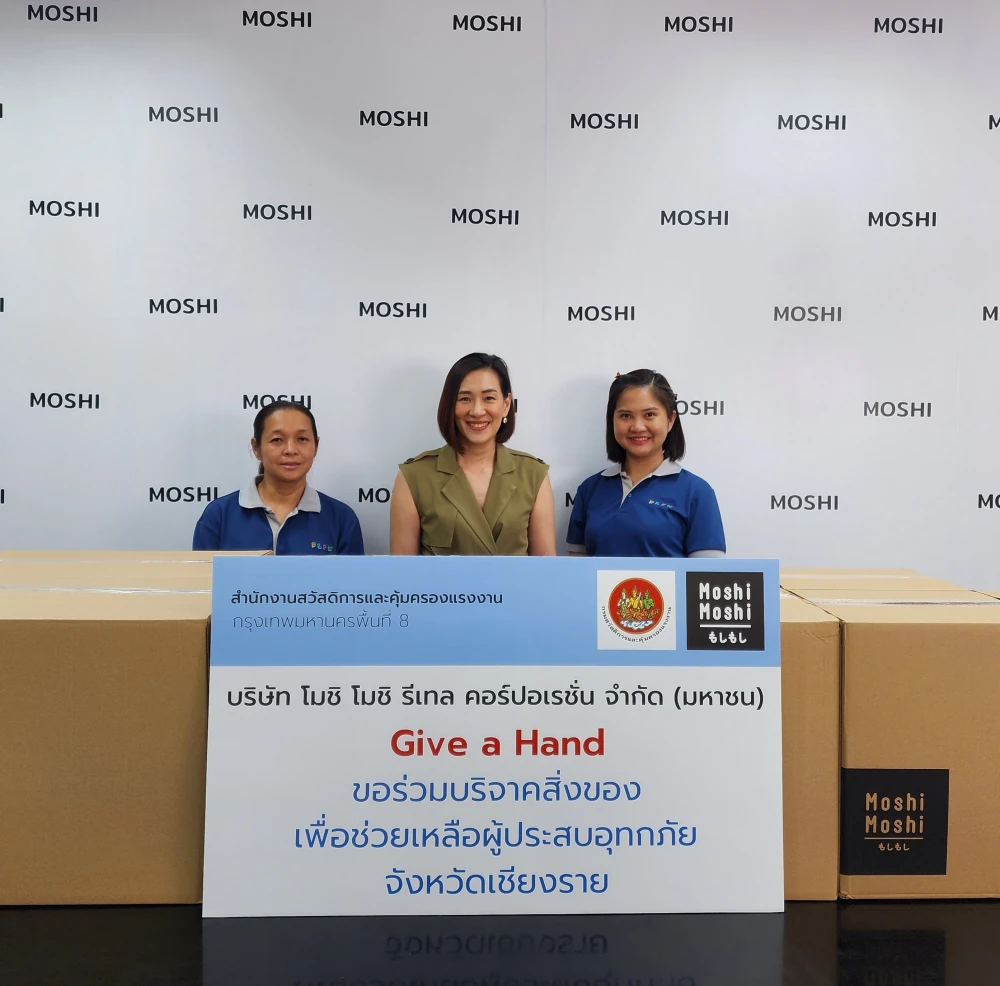
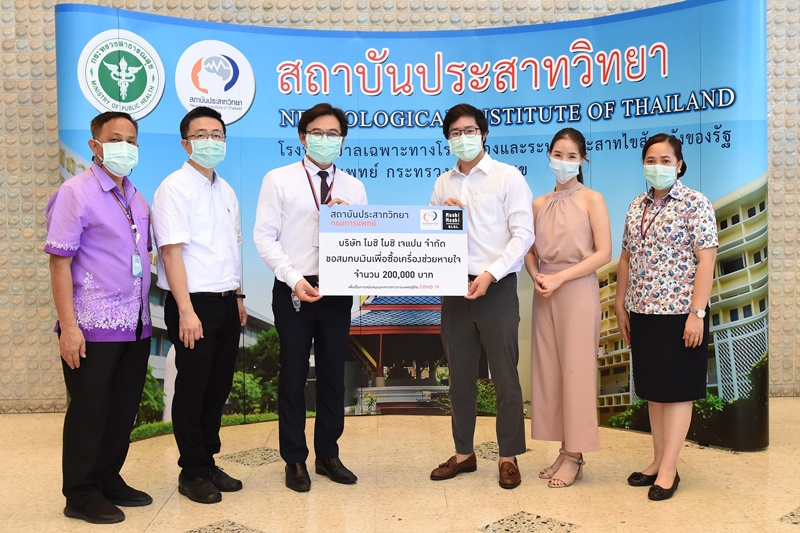
Give A Hand "Disaster Recovery Support Project"

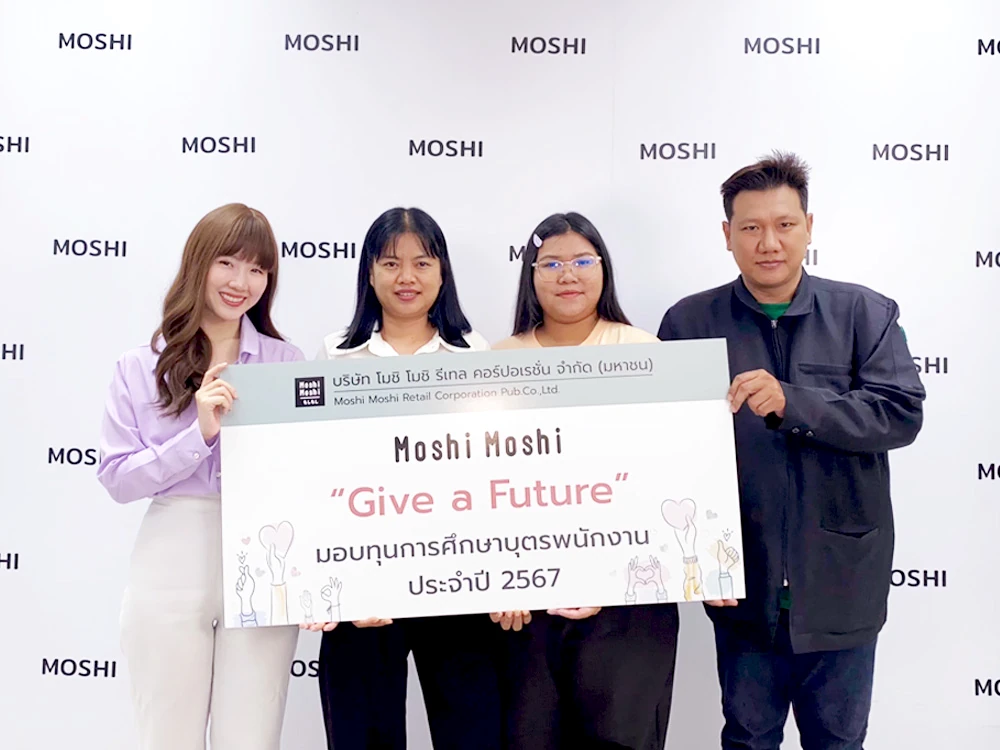
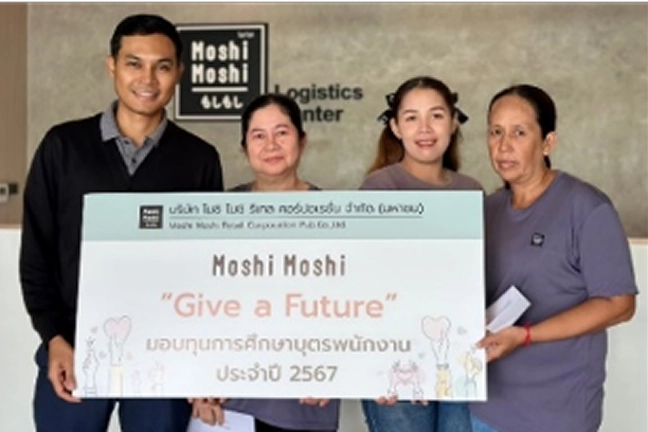
Give a Future "Weaving Dreams Toward the Future"

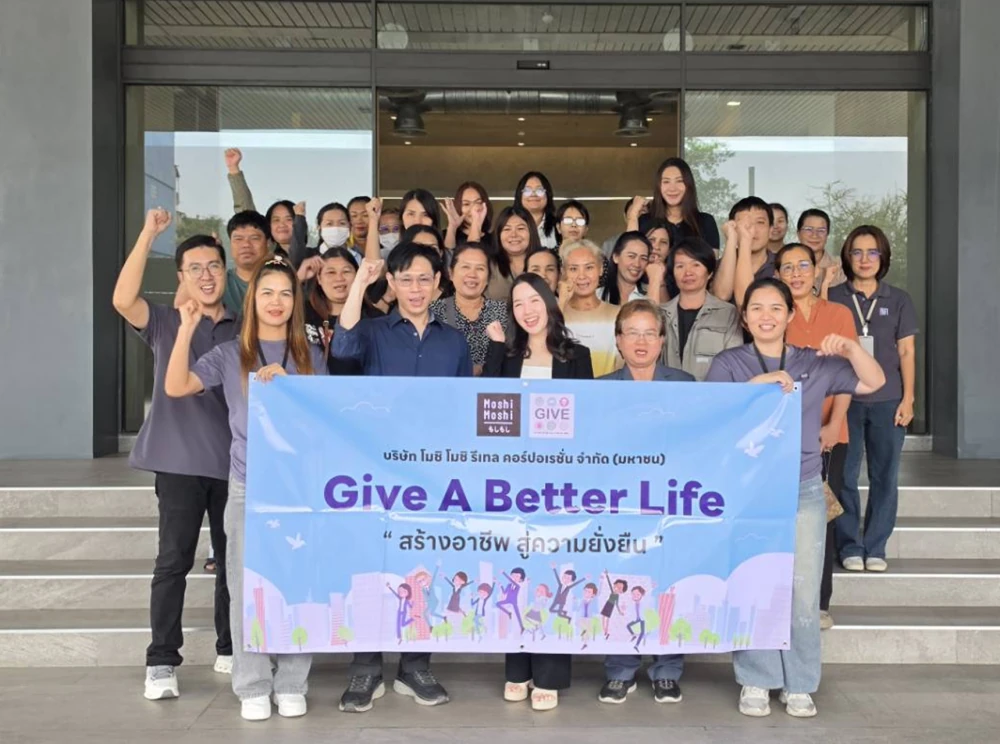
Give a Better Life "Creating Careers Toward Sustainability"

Give for Life "One Person Gives, Many Receive"
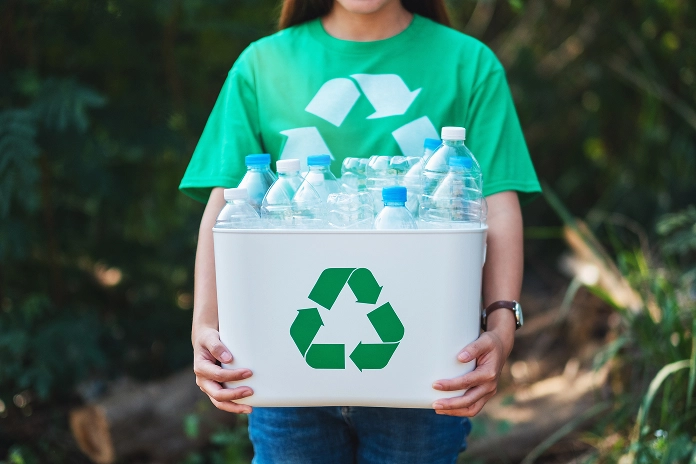
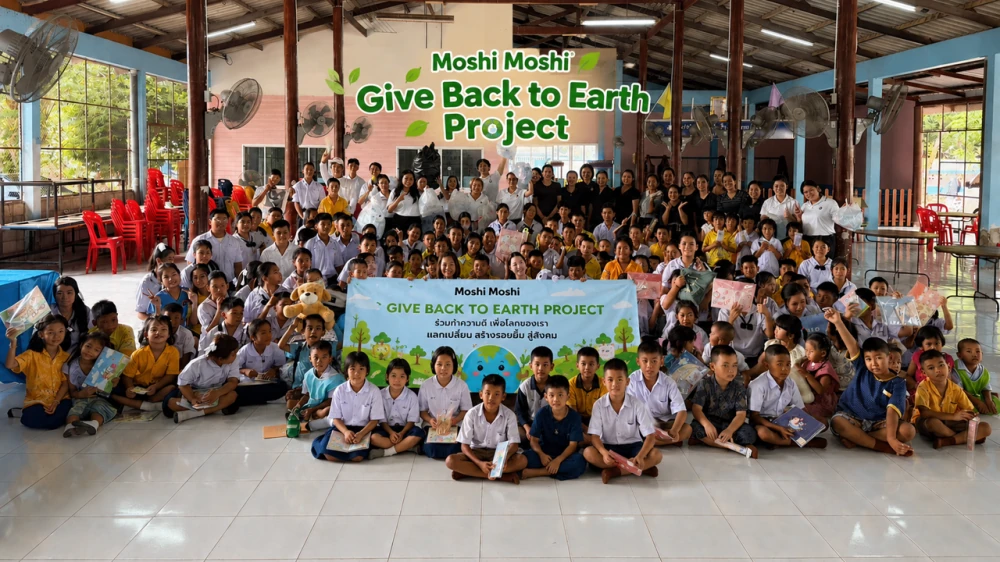
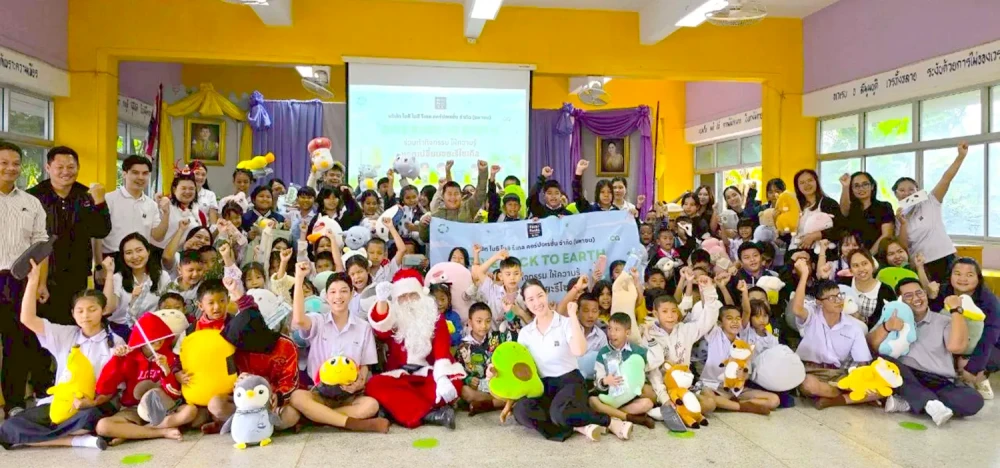
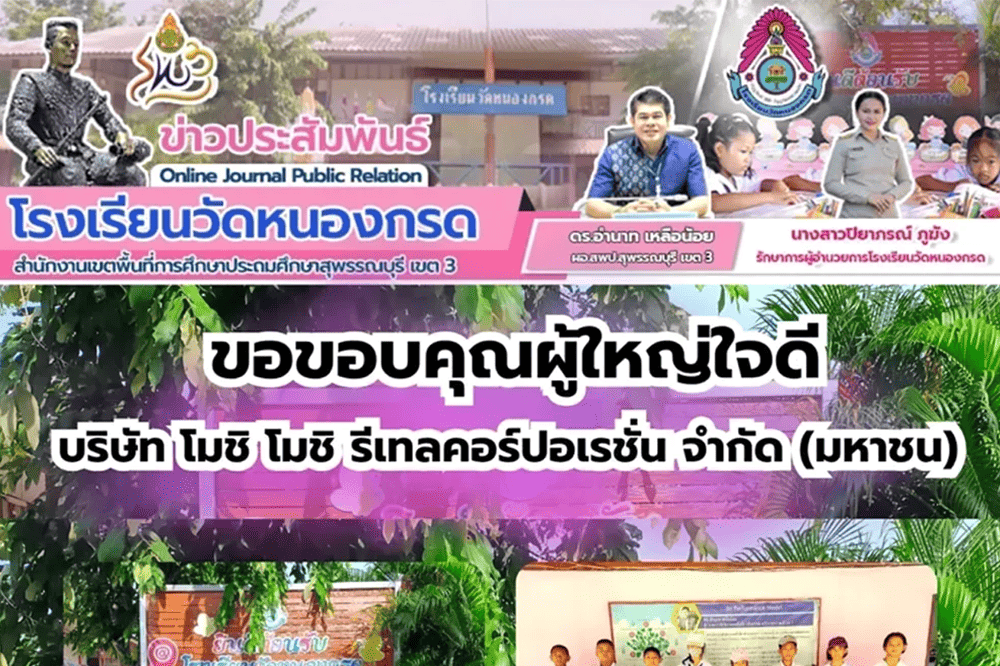
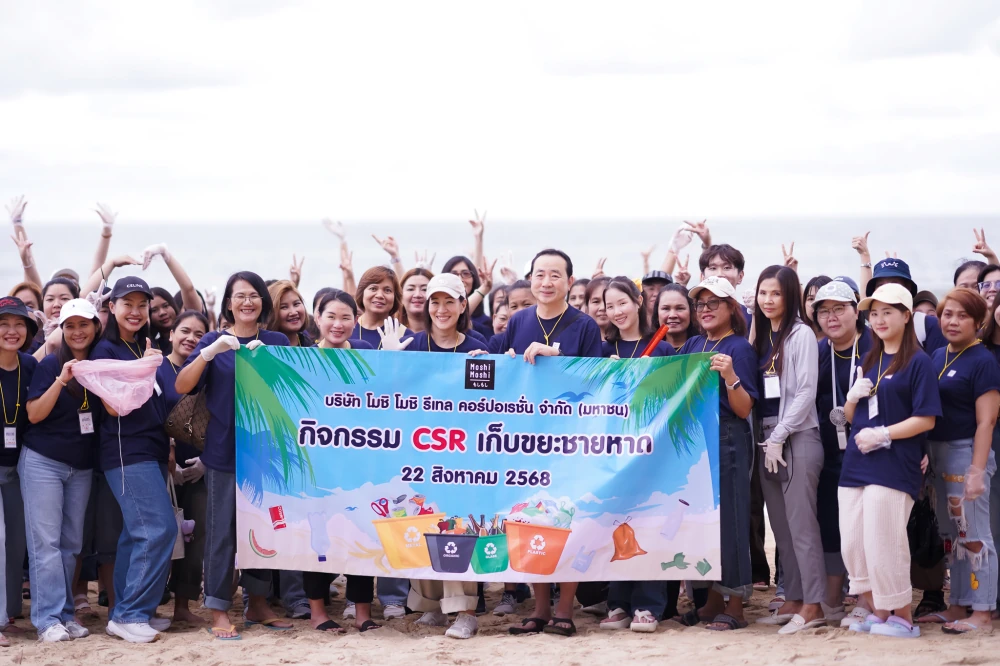
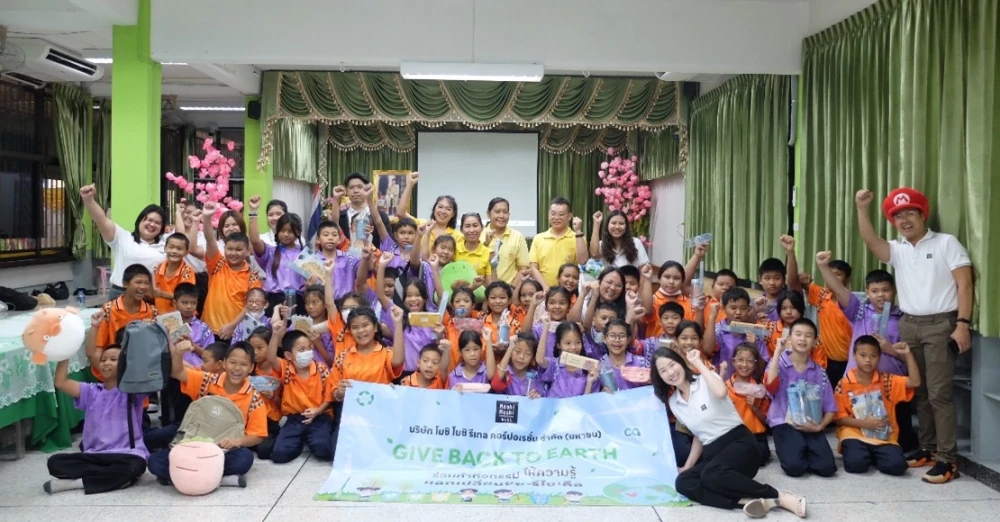
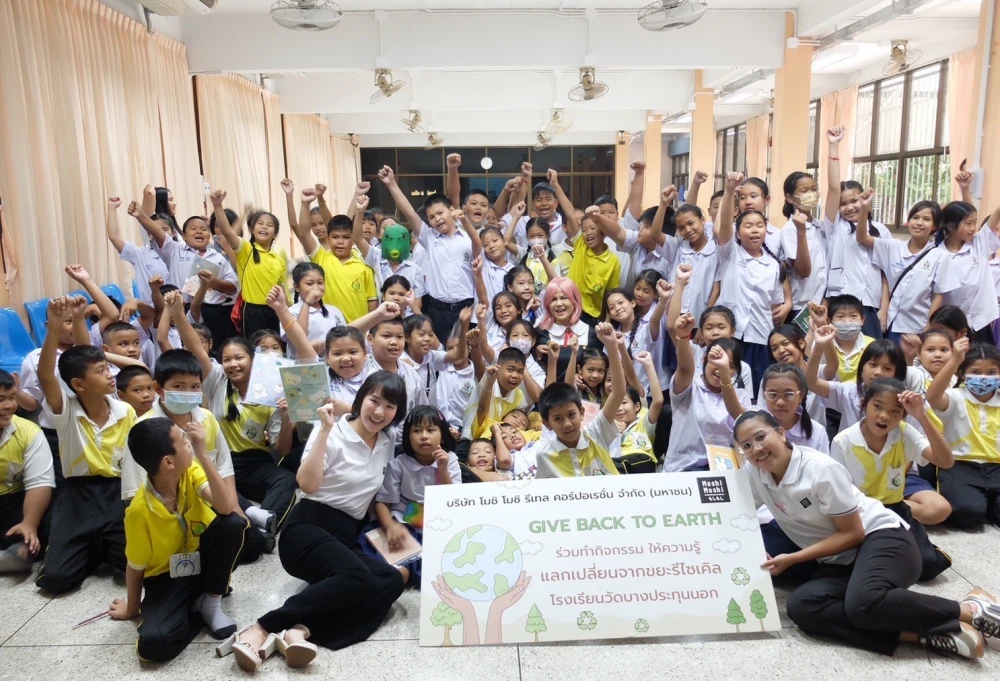
Give Back to Earth "Help the World, Preserve the Environment"

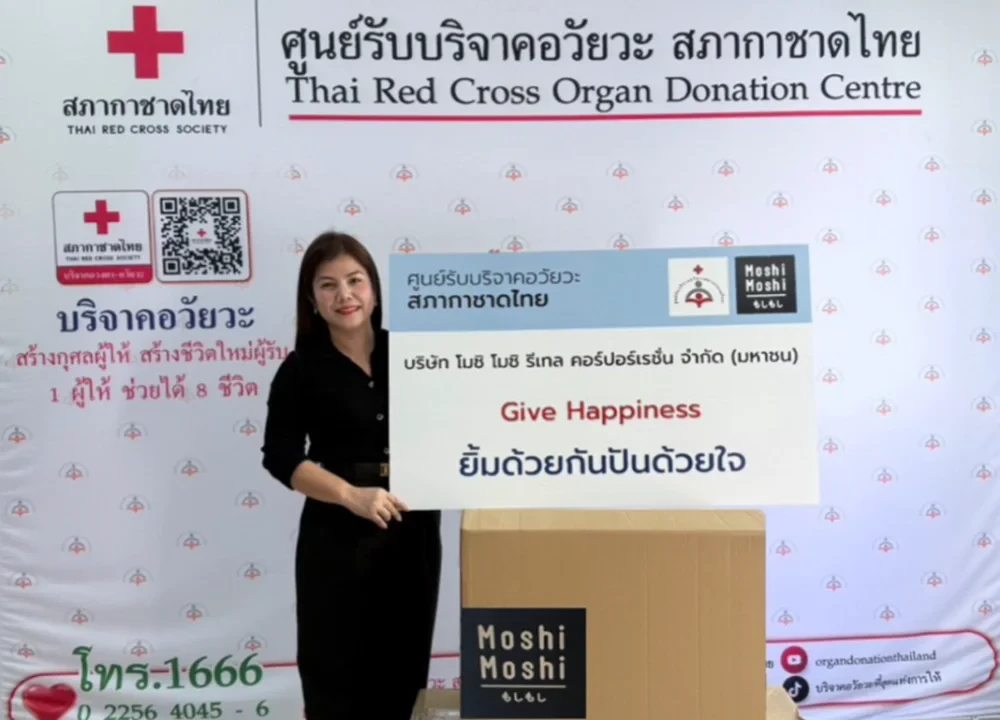
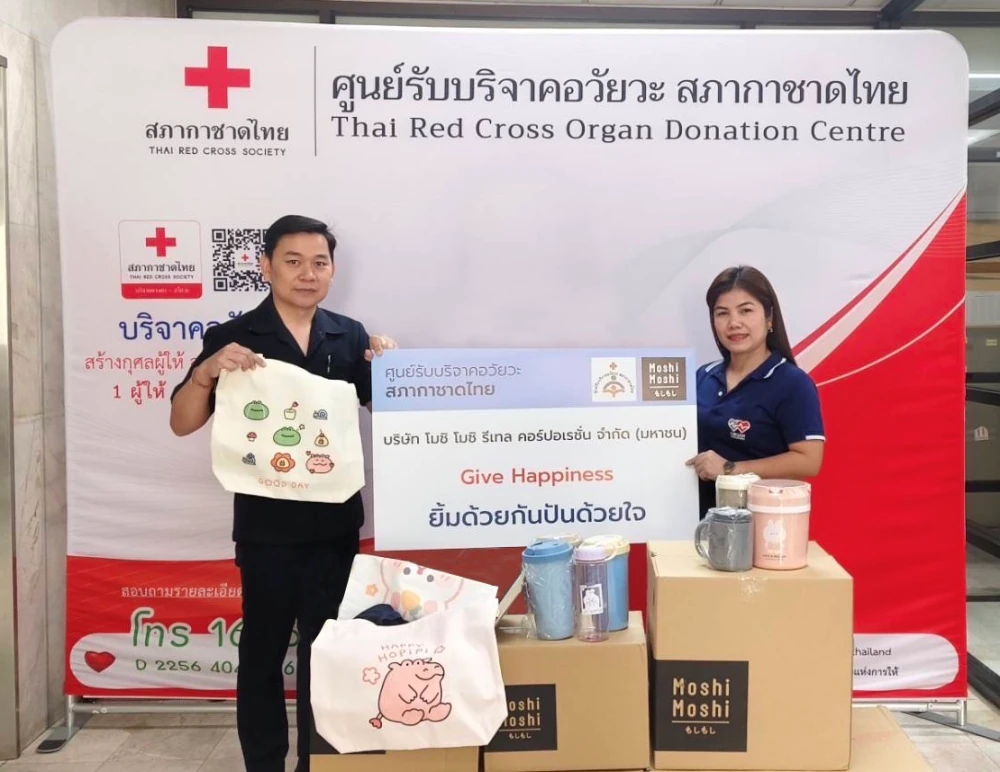
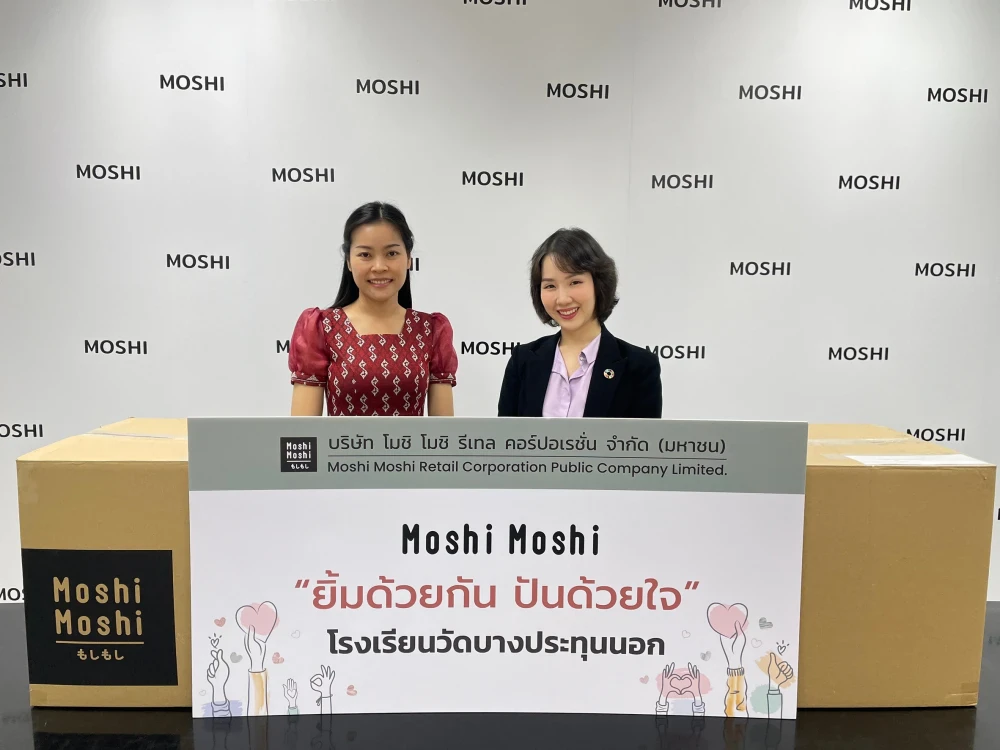
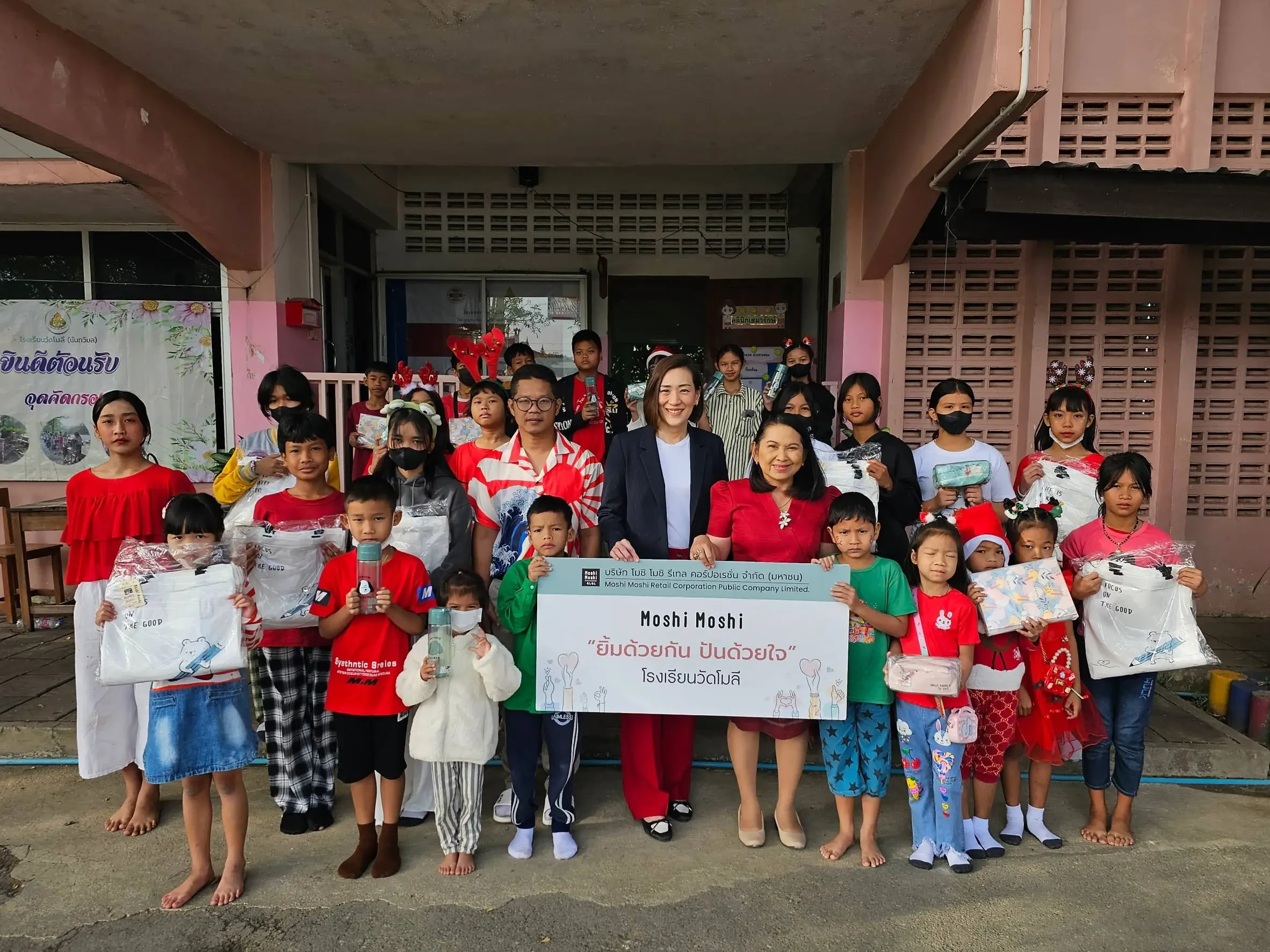
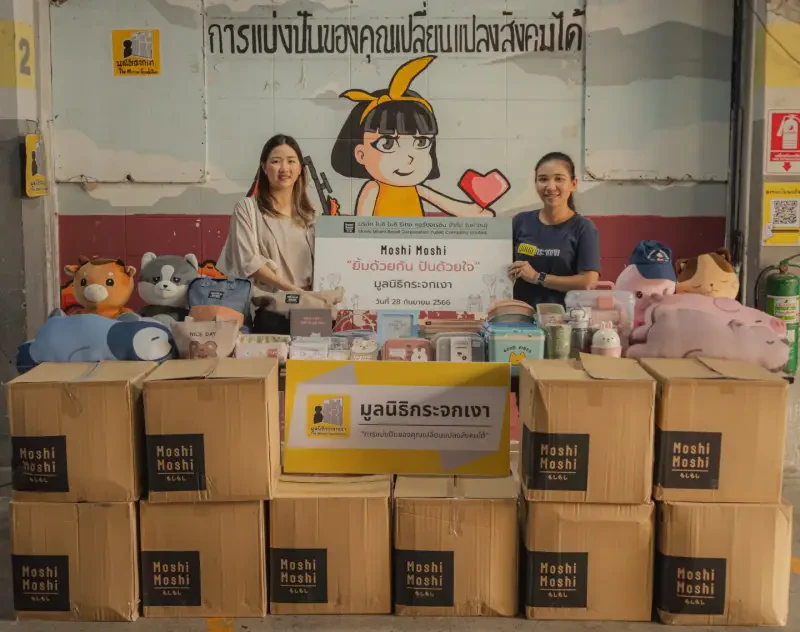
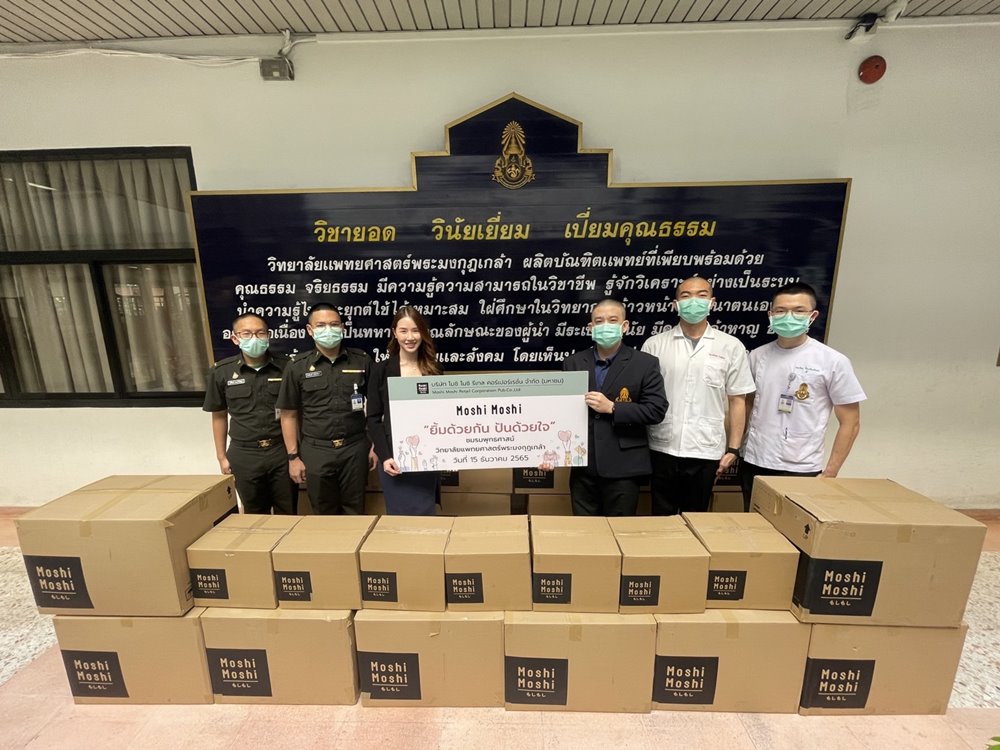
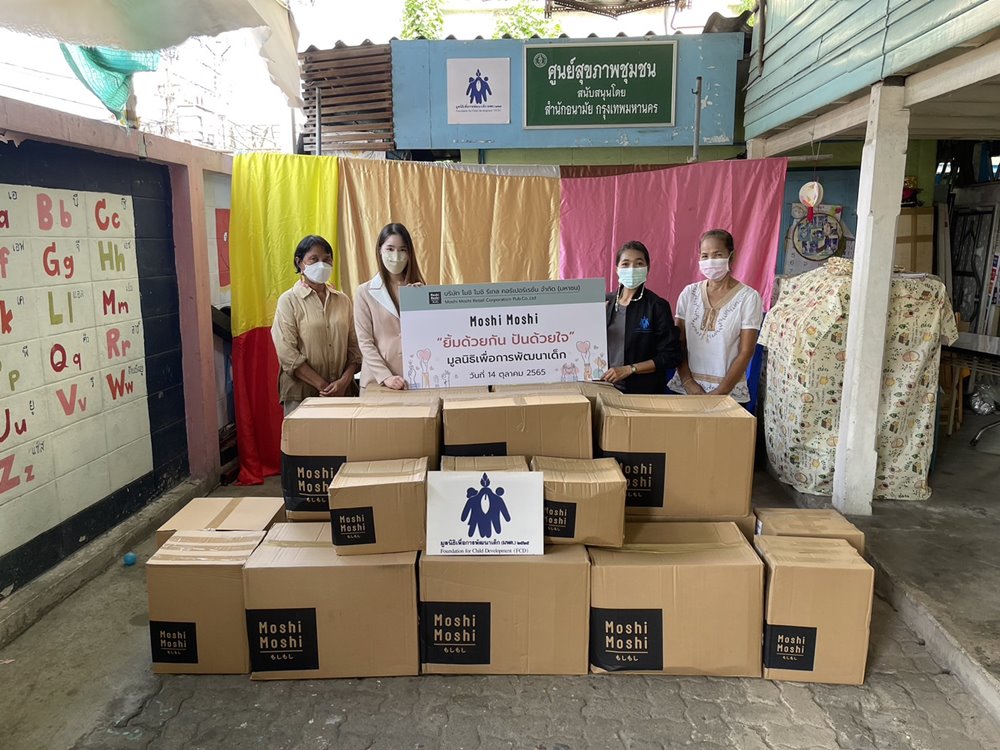
Give Happiness "Smile Together, Share with Heart"
- Organize waste management education activities for communities near office/warehouse/branch locations at least 2 times per year
- Support income generation for communities near warehouse locations, increasing by 10% from baseline year 2023
- Promote youth development through annual educational scholarships for employees' children, with 90% of scholarship recipients required to maintain good deeds diaries
- Organize waste management education activities for communities near office/warehouse/branch locations at least 2 times per year
- Support income generation for communities near warehouse locations, increasing by 20% from baseline year 2023
- Promote youth development through annual educational scholarships for employees' children, with 100% of scholarship recipients required to maintain good deeds diaries
2025 Performance Results

Give a Hand

Give a Future (Scholarship Program)

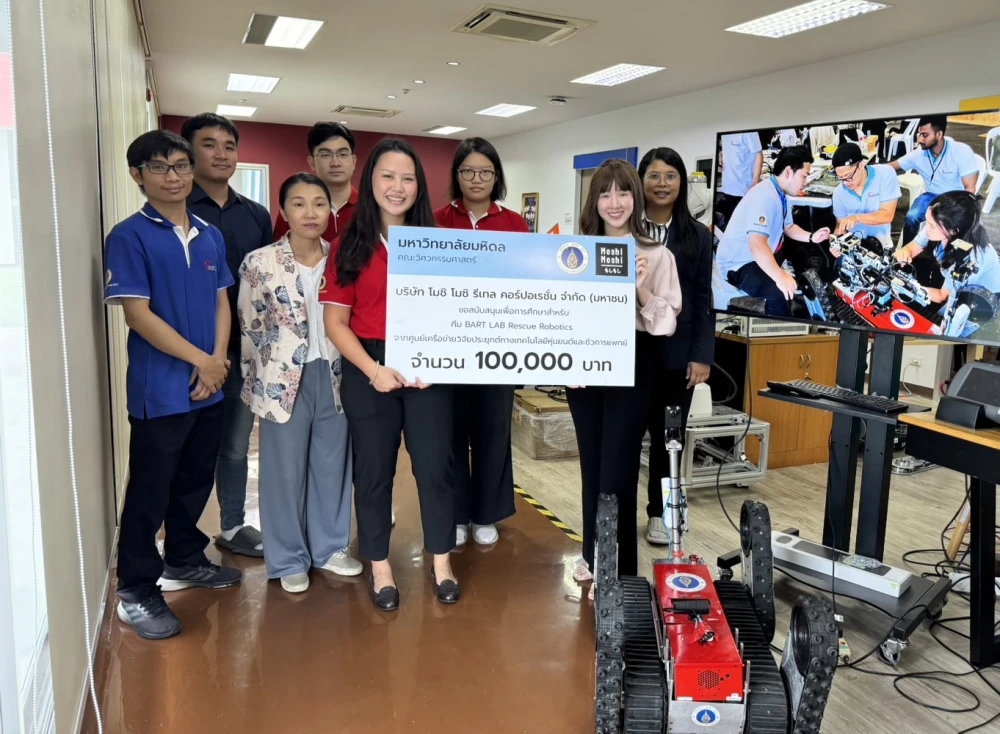
Give a Future (Educational Support)

Give Back to Earth

Give a Better Life

Give Happiness
Employee Development

Challenges and Opportunities
Attracting, retaining, and developing a skilled and engaged workforce presents a significant challenge for the Company, as increasing competition for talent, rapidly evolving skill requirements driven by digital transformation, and the diverse needs of a large retail workforce demand a continuous and adaptive approach to human capital development. Growing expectations from investors and regulators for transparent workforce reporting, fair compensation, and equal opportunity further require the Company to demonstrate measurable progress on employee development and wellbeing. The Company is therefore committed to providing all employees with equal access to learning and development opportunities, building capability at every level of the organisation, fostering a safe, inclusive, and supportive working environment, and offering fair and competitive compensation — in alignment with internationally recognised human capital management and ESG frameworks. These efforts strengthen employee engagement, productivity, and retention, reduce operational risk, and reinforce the Company's reputation as an employer of choice, supporting long-term business performance and the sustainable growth of both its people and the organisation.
Employee Development
The Company is committed to continuously developing personnel at all levels, ensuring that every employee — regardless of gender, position, or employment type — has equal access to learning and development opportunities. Under a Competency-based development framework and the 70:20:10 model, the Company identifies capability gaps and addresses them through experiential learning, peer exchange, and formal training. The Company invests in a comprehensive range of programs covering Soft Skills, Technical Skills, data analytics, safety, and corporate governance, delivered through an E-learning system and accredited external institutions, while also establishing dedicated Training Roadmaps for branch employees at every level. A mentoring system is in place for new branches, and training effectiveness is monitored through satisfaction assessments, Pre-Post Tests, and follow-up evaluations by line managers.The Company is committed to developing the next generation of leaders through leadership development programs and succession plans for key management positions. High-potential employees receive Individual Development Plans (IDPs) that are reviewed on an annual basis. Training hours and per-person investment in human capital development are tracked as key performance indicators to drive accountability and ensure the continuous development of human capital.


Employee Attraction and Retention
The Company conducts an annual employee opinion survey through the Voice of Employee (VOE) program, covering satisfaction, organizational engagement, and open-ended suggestions. Progress is monitored year-on-year through engagement scores and survey response rates, with results used to make tangible improvements to employee benefits and working conditions. The Company also analyzes the causes of resignation through Exit Interviews and tracks turnover rates as a key personnel indicator to continuously refine its employee retention strategies. On compensation, the Company ensures that remuneration at all levels complies with the law and aligns with appropriate cost-of-living principles, with compensation and benefits reviewed at least once a year, salary adjustments made in accordance with performance evaluation results, and additional financial incentives provided.
Furthermore, the Company is committed to holistically supporting the mental health and well-being of its employees through programs and activities that promote a healthy and balanced working environment for all.
- Employees have an average of 11 training hours per person per year
- Employee satisfaction score for development not less than 90%
- New employee satisfaction score for Onboarding program not less than 90%
- Employee knowledge test scores not less than 90%
- Employee engagement and satisfaction evaluation results 90%
- Percentage of employees who resign voluntarily not exceeding 30%
- Number of new projects related to various innovations or Knowledge Sharing in various areas: 3 projects within 5 years
- Employees have an average of 12 training hours per person per year
- Employee satisfaction score for development not less than 95%
- New employee satisfaction score for Onboarding program not less than 95%
- Employee knowledge test scores not less than 95%
- Employee engagement and satisfaction evaluation results 95%
- Percentage of employees who resign voluntarily not exceeding 30%
- Number of new projects related to various innovations or Knowledge Sharing in various areas: not less than 5 projects within 7 years
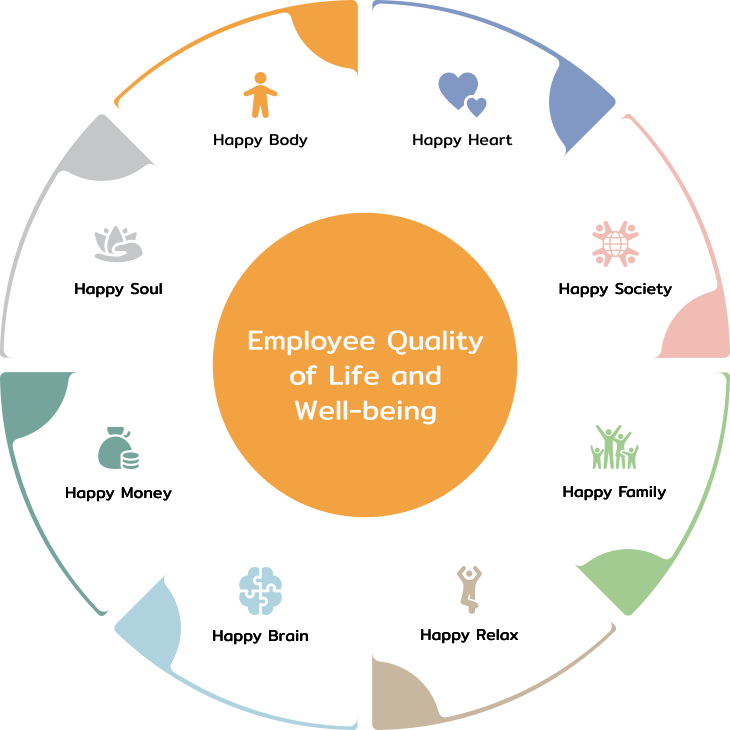
Happy 8 Project to Promote Employee Quality of Life and Well-Being
The Company operates the Happy 8 project to promote employee quality of life and well-being under the concept of creating a Happy Workplace, focusing on ensuring all employees are happy at work, which will lead to increased work efficiency, reduced stress and internal organizational conflicts, help change employee behavior to develop in a better direction, and enable smooth operations with good results for both individuals and the organization as a whole.



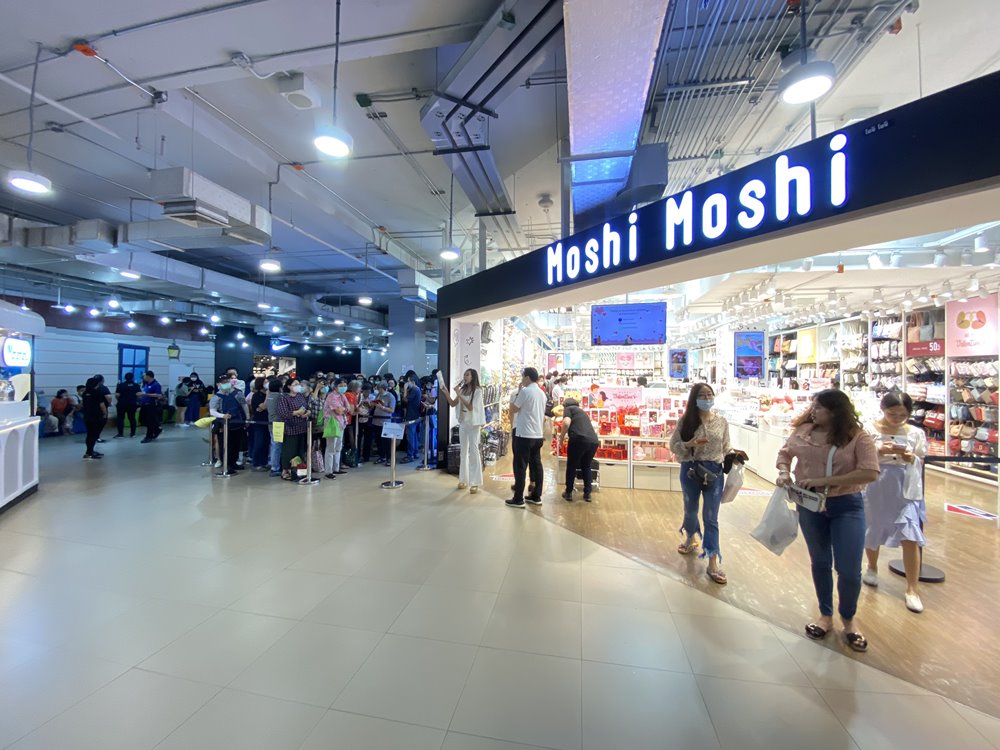
"Moshi Moshi Happy Mom's Day" is an online activity designed to create engagement and happiness for employees across all areas of the organization, whether they are office staff, warehouse staff, or store branch staff. It was organized to celebrate and express love for mothers and special people in their lives. The activity consists of 3 sub-activities as follows:
- The Good Memories: Inviting employees to share impressive photos and stories about their mothers or mother figures to create an atmosphere of warmth and awareness of the value of family love.
- Lucky Mom: A lucky draw activity from shared photos, where participants have a chance to win special prizes, which adds fun and excitement to the activity.
- Mom's Day Quiz: An online knowledge test about Mother's Day through fun and interesting games with special prizes for those who answer correctly.
All activities aim for employees to spend happy time together with their families, express love, and create bonds between each other, which helps enhance a positive atmosphere and promote family values.




2025 Performance Results

Employees having an average of

Development Satisfaction Score

Employee Knowledge Test Score

Employee Engagement & Satisfaction

Voluntary Turnover Rate

Employee Participation